Foods That Boost Memory in Seniors: A Nutrition Guide for Brain Health
Updated January 2026 · 10 min read
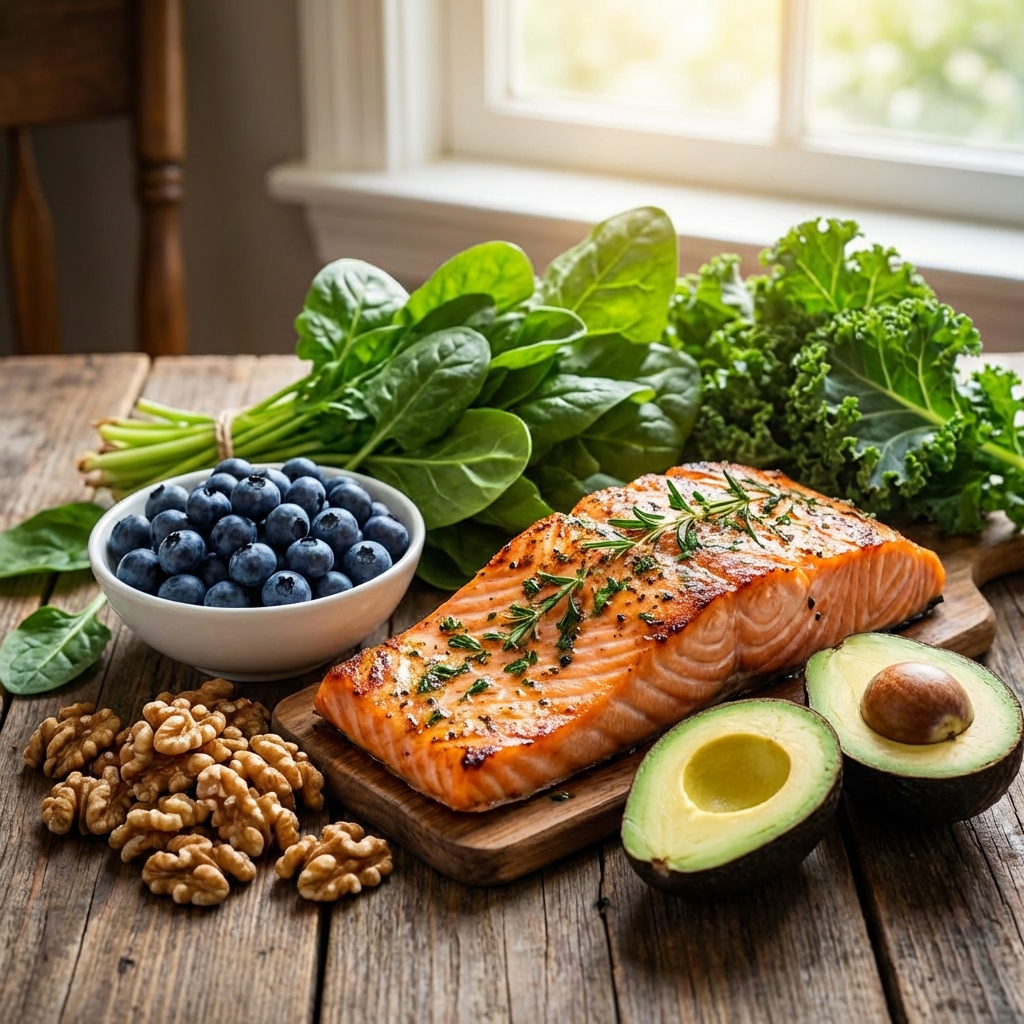
As we age, keeping our brains healthy is just as important as keeping our bodies fit. While some cognitive changes are natural, research shows that diet plays a powerful role in slowing decline and maintaining sharp memory. You may have heard the old saying "you are what you eat," and when it comes to brain health, this is especially true.
Nutritionists and researchers often point to the MIND diet (Mediterranean-DASH Intervention for Neurodegenerative Delay) as a gold standard for senior brain health. By incorporating specific "brain foods" into your daily meals, you can help protect your cognitive function and potentially reduce the risk of Alzheimer's disease.
Table of Contents
Leafy Green Vegetables
Kale, spinach, collards, and broccoli are packed with brain-healthy nutrients like vitamin K, lutein, folate, and beta carotene. Research suggests these plant-based foods may help slow cognitive decline.
Tip: Try to include a salad or a side of cooked greens with at least one meal a day. If you find raw greens hard to chew or digest, steaming them or adding them to soups and smoothies works just as well.
Berries: Nature's Brain Candy
Flavonoids, the natural plant pigments that give berries their brilliant hues, also help improve memory. A study published in the Annals of Neurology found that women who consumed two or more servings of strawberries and blueberries each week delayed memory decline by up to 2.5 years.
- Blueberries: Often called a "superfood" for their high antioxidant levels.
- Strawberries: rich in vitamin C and flavonoids.
- Blackberries: Excellent source of fiber and vitamins.
Fatty Fish for Omega-3s
Fatty fish are abundant sources of omega-3 fatty acids, healthy unsaturated fats that have been linked to lower blood levels of beta-amyloid—the protein that forms damaging clumps in the brains of people with Alzheimer's disease.
Try to eat fish at least twice a week. Best choices include:
Note: Consult your doctor about fish consumption if you are concerned about mercury levels or have dietary restrictions.
Nuts and Seeds
Nuts are excellent sources of protein and healthy fats, and one type of nut in particular might key for memory: walnuts. A study from UCLA linked higher walnut consumption to improved cognitive test scores. Walnuts are high in a type of omega-3 fatty acid called alpha-linolenic acid (ALA).
Other great options include almonds, hazelnuts, and sunflower seeds, which are rich in Vitamin E. Vitamin E traps free radicals that can damage brain cells.
The Importance of Hydration
💡 Daily Check-In Tip: Dehydration is a common cause of confusion and brain fog in older adults. Make drinking water a part of your daily routine—just like your DailyOK check-in.
Even mild dehydration can affect your ability to think clearly. As we age, our sense of thirst diminishes, so it's important to drink water throughout the day, even if you don't feel thirsty. Herbal teas and water-rich fruits also count toward your hydration goals.
Foods to Limit
Just as some foods boost brain power, others can hinder it. The MIND diet recommends limiting intake of:
- Red Meat: Aim for less than four servings a week.
- Butter and Stick Margarine: Use olive oil instead.
- Cheese: Enjoy in moderation (less than one serving a week is ideal for the strictest MIND diet adherence).
- Pastries and Sweets: High sugar intake has been linked to inflammation and cognitive decline.
Making small, gradual changes to your diet is the best way to build lasting habits. Start by adding a serving of berries to your breakfast or swapping a red meat dinner for baked salmon once a week. Your brain will thank you!